
Guía de goma de esponja de silicona
Las esponjas de silicona tienen cualidades mecánicas excepcionales y se considera que tienen una estructura celular completamente cerrada.. La esponja de silicona frecuentemente proporciona un mayor sellado contra el agua en aplicaciones de lavado en comparación con la espuma de silicona..
¿Qué es la esponja de silicona??
La esponja de silicona se utiliza en el procesamiento de alimentos., sectores médico y farmacéutico para fines de sellado. Blending the lightness of foam with heavier sponge rubber's increased sealing characteristics, La esponja de silicona es un material muy flexible..
El elastómero de silicona se expande en el momento del curado térmico.; el proceso de expansión forma la estructura de esponja de células cerradas. El proceso de expansión se puede comparar con agregar levadura al pan para hacerlo crecer., generando bolsas de aire compresibles. Los materiales de esponja de silicona expandida de células cerradas ofrecen muchos de los beneficios de la silicona sólida en una forma más suave y con mayor capacidad de respuesta..
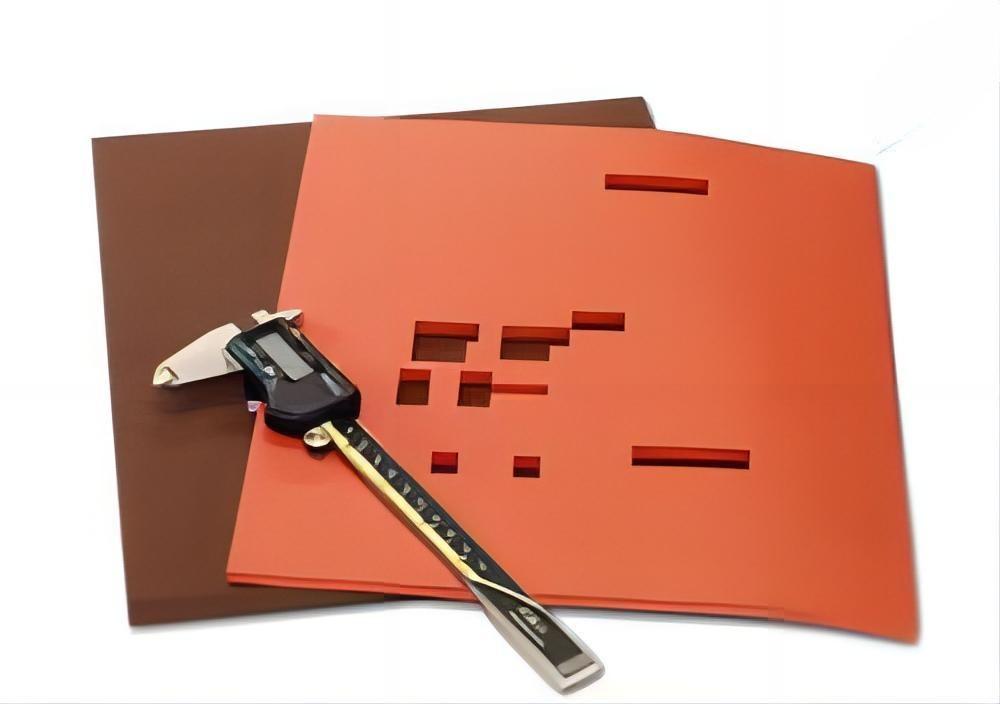
Propiedades de la esponja de silicona
La silicona en sí es excepcionalmente resistente a la temperatura., ser capaz de soportar tanto temperaturas altas como aquellas que están considerablemente por debajo del punto de congelación. La esponja de silicona tiene una estructura celular densa que proporciona una protección significativa contra el agua y las partículas..
Además, La esponja de silicona ofrece propiedades excepcionales de aislamiento de vibraciones, además de poder disminuir los impactos de los golpes en el artículo que protege..
En el lado negativo, La silicona tiene un bajo factor de desgarro., lo que implica que puede romperse rápidamente. Esto lo hace inadecuado para aplicaciones dinámicas.. La esponja de silicona también es muy inerte y no debe usarse con productos químicos., notably oil.
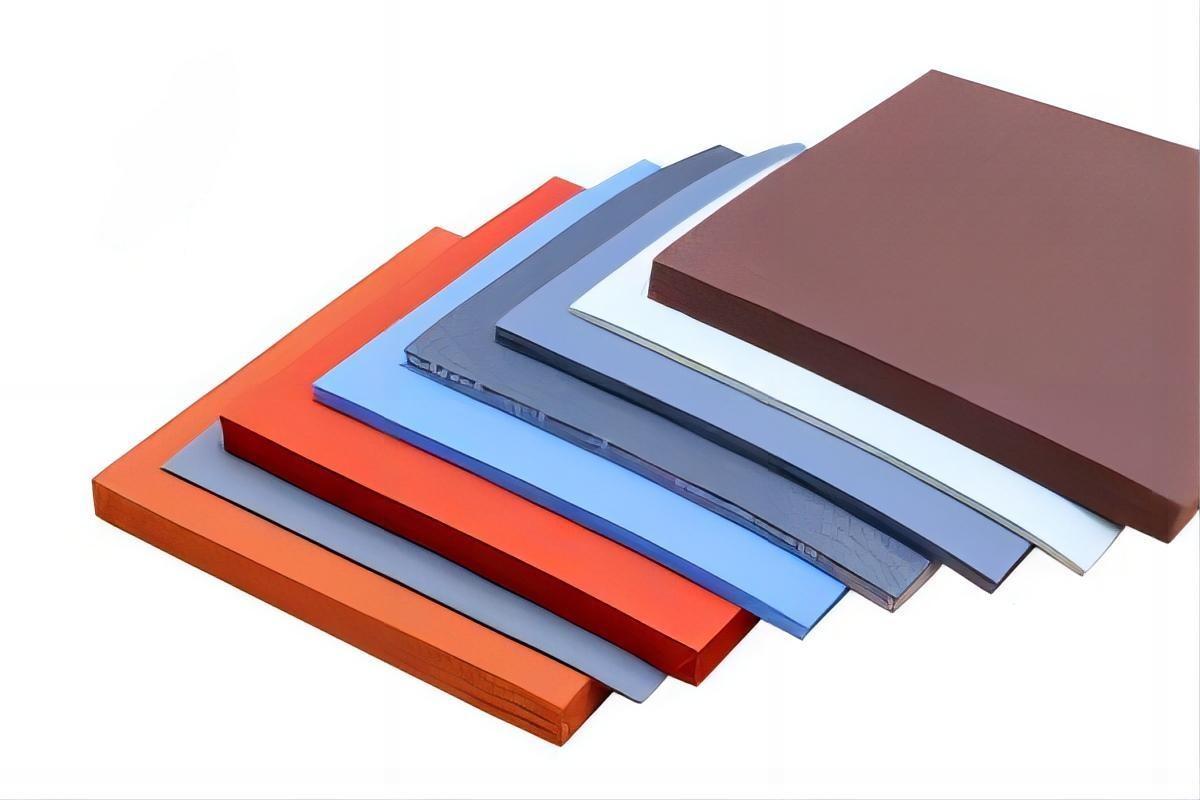
Uses of Silicone Sponge
Silicon sponge is widely used outside for sealing off and shielding lighting, communications and electronics equipment from the outside environment. This is owing to its capacity to inhibit wind-driven rain and tiny particles from getting through and harming the equipment.
Owing to the metal detecting silicone employed in its creation, silicone sponges are widely utilized as seals on the production line where contamination must be prevented. This is because a small quantity of particles from degraded silicone seals that enter the production process can contaminate the items being created on the production line. This might result in thousands of pounds being wasted owing to interrupting production and tainted items being returned.
Los sensores en la línea de fabricación pueden detectar partículas de la esponja de silicona, permitiendo una parada rápida y reparaciones realizadas en un corto período de tiempo. Esto reduce inmediatamente la cantidad de tiempo y dinero perdido mientras la maquinaria no funciona..
Caucho de silicona esponjoso de celda abierta versus de celda cerrada
Al seleccionar cualquier tipo de esponja de silicona, es fundamental apreciar la distinción entre celdas abiertas y cerradas.. Desconcertar a los dos puede crear decepción en un sello o junta en la aplicación..
Caucho de silicona de esponja de celda abierta
La celda abierta básicamente sugiere que cada celda, o una bolsa de aire, está ampliamente vinculado con la célula posterior. Estas celdas no son terminaciones terminadas., de esta manera, agua, humedad, y los residuos podrían avanzar hacia la estructura celular.
Un ejemplo certificable de esponja de celda abierta es el tipo de esponja que se utiliza para lavar objetos domésticos básicos.. En el caso de que coloques la toallita en un recipiente con agua., notas que la toallita moja montones de agua que luego se exprime nuevamente sobre el automóvil. Se permite que el agua viaje a través de cada célula y, por lo tanto, queda retenida y mantenida dentro de la esponja..
Caucho de silicona de esponja de celda cerrada
Una esponja de células cerradas tiene una estructura celular radicalmente diferente a la de una célula abierta.. En una esponja de silicona de células cerradas, cada celda contiene aire en un bolsillo completo y cerrado. Agua, humedad, y otros depósitos no pueden penetrar ninguna de las células. Para cualquier tipo de necesidad de sellado., closed cell sponge is exceptionally suitable for usage as it has extremely low water intake keeping the water or any other fluid/material entirely isolated.
The main distinction between an open cell and a closed cell sponge is the toughness and pressure rate. A closed cell sponge will be substantially stiffer. In an open-cell sponge, the air may escape away when pushed and the major defiance comes from the rubber itself.
Silicone Sponge Material Applications
- General Sealing in different Industries/Custom Gasket Applications
- Sound and Vibration Insulation
- Hot & Cold Thermal Insulation
- Cushioning
- Insulating/Lighting Fixture Gasket/Electrical Enclosure
- Flame Retardant Sponge
- Food Processing Machinery Seal/Pharmaceutical Equipment
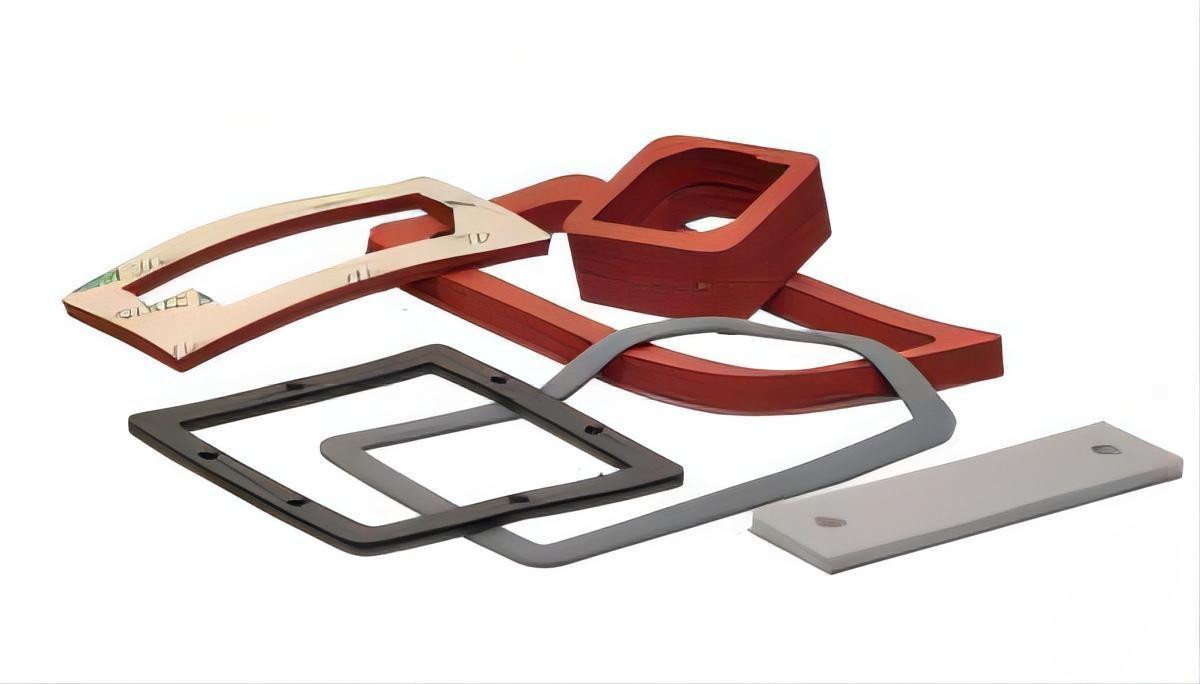
Benefits of Closed Cell Silicone Sponge
- Wide working temperature — La esponja de silicona tiene un rango de temperatura de -100°F a 500°F (-73°C a 260°C).
- Sellado contra la intemperie — la construcción de celda cerrada proporciona un sellado eficaz contra la intemperie con presiones de compresión comparativamente modestas. UL 50 y clasificaciones UL 50E están disponibles.
- Resistencia a la compresión - La silicona tiene buena resistencia a la compresión. (capacidad de recuperar el espesor original), especialmente a temperaturas más altas, en comparación con la mayoría de los materiales de caucho. Se encuentran disponibles esponjas de silicona de baja compresión para un rendimiento aún mayor que los grados de uso general..
- Resistencia UV y ozono - Los materiales de silicona tienen una resistencia excepcional a los rayos UV y al ozono debido en parte a su estructura inorgánica.. Esto proporciona un rendimiento duradero..
- Difícil — Cuando se requiere silicona, Los componentes de esponja de silicona proporcionan una robustez superior en comparación con los artículos de espuma de silicona..
- Junta exterior - Dadas todas las características anteriores, una esponja de silicona es una opción de material fantástica para condiciones exteriores, Del Ártico al desierto.
Benefits of Closed Cell Silicone Sponge
La espuma de silicona está disponible en estructura de espuma de células abiertas y de células cerradas.
Estructura de espuma de células abiertas. permite una excelente absorción de agua, humedad, y polvo, lo que lo hace perfecto en una esponja convencional utilizada para lavar automóviles.
- Estructura de espuma de células cerradas. no se adapta a la absorción de agua, humedad, o polvo, lo que lo hace excelente en aplicaciones de sellado donde es necesario mantener fuera el agua y el polvo.. Este tipo es intrínsecamente hidrofóbico. (repele el agua) (repele el agua).
Esponja de silicona vs.. Espuma de silicona
Si bien tanto la esponja de silicona como la espuma de silicona tienen cualidades de sellado superiores a temperaturas elevadas, Hay pequeñas variaciones en los materiales.. La esponja de silicona se compone y combina en un molino de 2 rodillos y luego se cura en un horno.. La espuma de silicona se fabrica a partir de silicona líquida que se extruye y se cura en un proceso de más de. ambos son celulares.
| Característica | Esponja | Espuma |
| Materia prima | Silicona a base de goma, mezclado y curado al horno | Silicona líquida extruida y curada en horno. |
| Temperatura de uso mínima y máxima | -73ohC +260ohC -100ohF + 500ohF | -51ohC +200ohC -67ohF + 392ohF |
| Inflamabilidad | UL 94 HBF (La fórmula para quemado horizontal está disponible V22-300) | UL 94 V-0 Quemadura vertical - mejor clasificación de llama que la esponja |
| Conjunto de compresión | Bien (Está disponible una fórmula de compresión inferior V22-210) | Mejor conjunto de compresión que una esponja. |
| Resistencia a la tracción | Alta resistencia a la tracción; mayor peso del material | Menor resistencia a la tracción que una esponja.; menor peso del material. Más fácil de romper a mano. |
| Densidad | Esponja de silicona suave = 21-30 PCF (libra/pie cúbico) típico Esponja de silicona mediana = 29-33 PCF típico Esponja de silicona firme = 40 PCF típico | Espuma de silicona suave = 12 PCF típico(libra/pie cúbico) Espuma de silicona media = 22 PCF típico |
| Deflexión por compresión | Esponja de silicona suave = 5-9 PSI típico Esponja de silicona mediana = 6-14 PSI típico Esponja de silicona firme = 12-20 PSI típico | Espuma de silicona suave = 3 PSI típico Espuma de silicona media = 9 PSI típico |
| Nota: La información proporcionada es para referencia y el usuario debe determinar si un particular | ||
La esponja de silicona tiende a tener mayor densidad., tener mayor resistencia al desgarro, y tiene una temperatura de uso más alta (hasta 500F en comparación con 392F para la espuma de silicona) (hasta 500F en comparación con 392F para espuma de silicona) Esencialmente, la esponja de silicona tiene mayores cualidades físicas y mecánicas que la espuma de silicona..
La espuma de silicona tiende a ser más suave., menor en densidad, y tiene propiedades de conjunto de compresión más bajas. Ya que incluye más aire., proporciona un aislamiento térmico superior. La espuma de silicona también proporciona mayores cualidades retardantes de llama que son importantes en aplicaciones aeronáuticas.. Ninguna sustancia absorbe mucha agua., por lo tanto silicona "esponja" es frecuentemente un descriptor confuso.