
Siliconen sponsrubbergeleider
Siliconensponsen hebben uitstekende mechanische eigenschappen en worden geacht een volledig gesloten celstructuur te hebben. Siliconenspons zorgt vaak voor een betere waterafdichting bij wash-down-toepassingen, in tegenstelling tot siliconenschuim.
Wat is siliconenspons?
Siliconenspons wordt gebruikt bij de voedselverwerking, medische en farmaceutische sectoren voor afdichtingsdoeleinden. Blending the lightness of foam with heavier sponge rubber's increased sealing characteristics, siliconenspons is een zeer flexibel materiaal.
Het siliconenelastomeer zet uit op het moment dat het door hitte wordt uitgehard; het expansieproces vormt de gesloten celsponsstructuur. Het expansieproces kan worden vergeleken met het toevoegen van gist aan brood om het te laten rijzen, het genereren van samendrukbare luchtzakken. Uitgebreide siliconensponsmaterialen met gesloten cellen bieden veel van de voordelen van vaste siliconen in een zachtere en responsievere vorm.
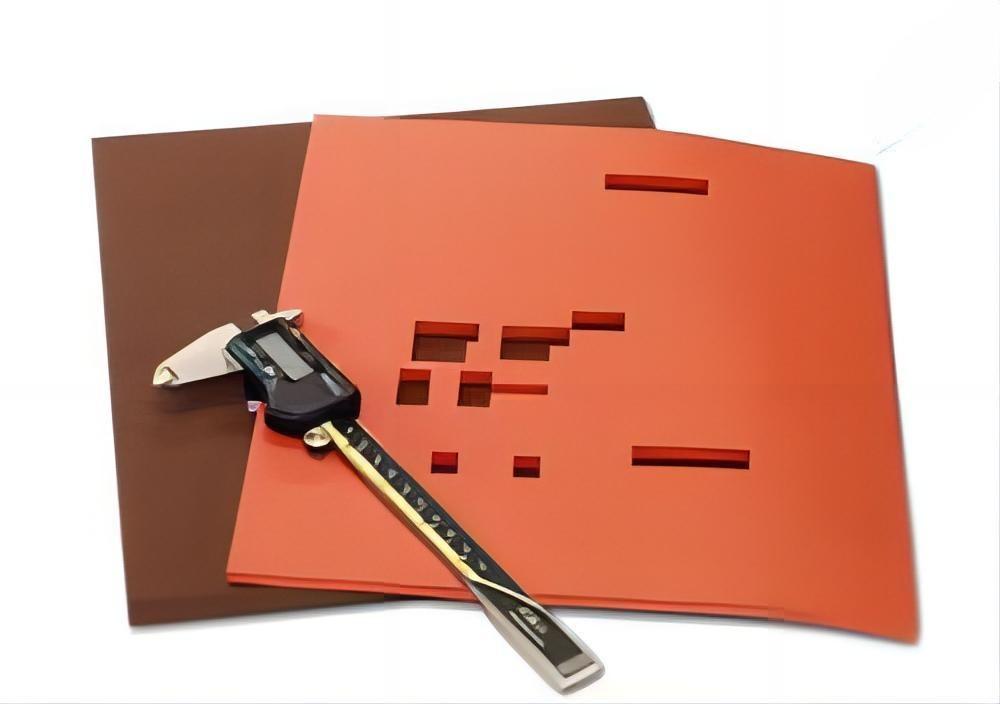
Eigenschappen van siliconenspons
Siliconen zelf zijn uitzonderlijk temperatuurbestendig, zowel hoge temperaturen kunnen verdragen als temperaturen die aanzienlijk onder het vriespunt liggen. Siliconenspons heeft een dichte celstructuur die een aanzienlijke bescherming biedt tegen water en deeltjes.
In aanvulling, De siliconenspons biedt uitzonderlijke trillingsisolerende eigenschappen en kan de impact van schokken op het item dat hij beschermt verminderen.
Aan de negatieve kant, Siliconen hebben een lage scheurfactor, wat impliceert dat het snel kan scheuren. Dit maakt het ongeschikt voor dynamische toepassingen. Siliconenspons is bovendien zeer inert en mag niet met chemicaliën worden gebruikt, met name olie.
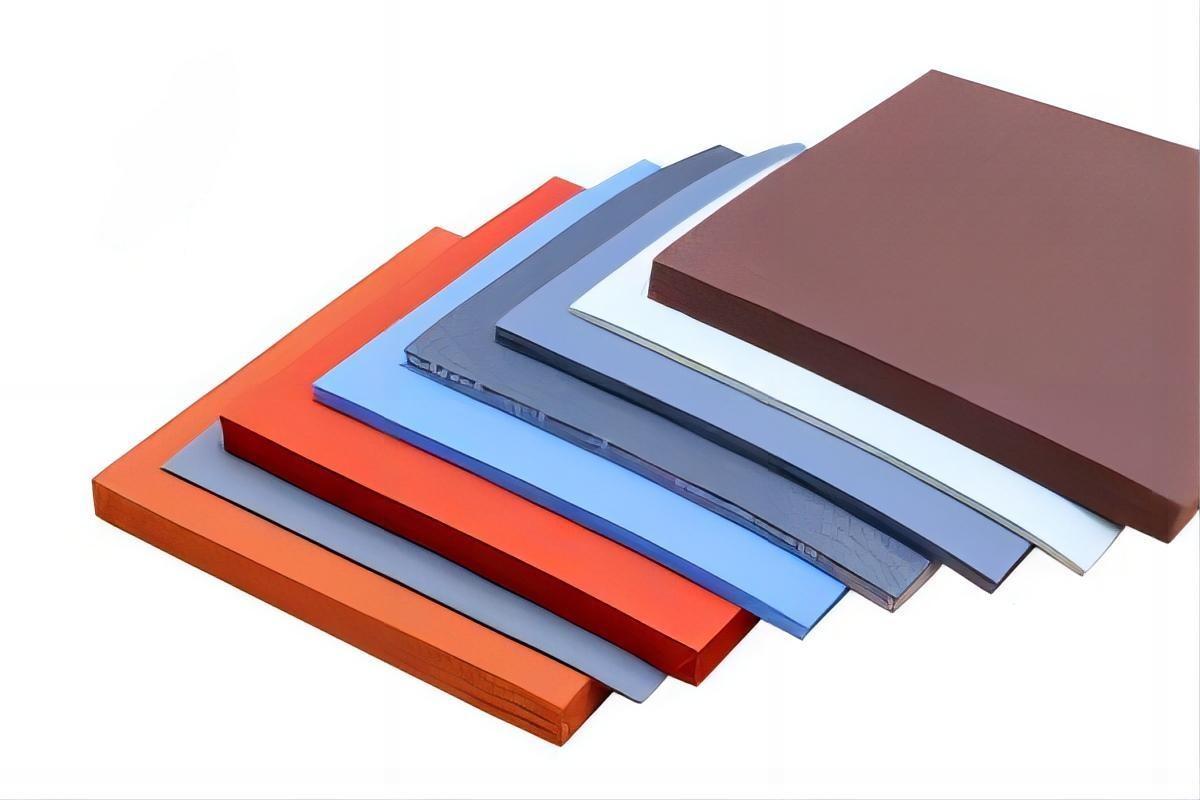
Gebruik van siliconenspons
Siliciumspons wordt buiten veel gebruikt voor het afdichten en afschermen van verlichting, communicatie- en elektronische apparatuur uit de buitenomgeving. Dit komt door het vermogen ervan om te voorkomen dat door de wind aangedreven regen en kleine deeltjes erdoorheen dringen en de apparatuur beschadigen.
Dankzij de metaaldetecterende siliconen die bij de creatie ervan zijn gebruikt, Siliconen sponzen worden op grote schaal gebruikt als afdichtingen op de productielijn waar vervuiling moet worden voorkomen. Dit komt omdat een kleine hoeveelheid deeltjes van aangetaste siliconenafdichtingen die in het productieproces terechtkomen, de artikelen die op de productielijn worden gemaakt, kunnen vervuilen. Dit kan ertoe leiden dat duizenden euro’s worden verspild als gevolg van het onderbreken van de productie en het retourneren van besmette artikelen.
Deeltjes van de siliconenspons kunnen worden gedetecteerd door sensoren op de productielijn, waardoor een snelle stop en reparatie in korte tijd kunnen worden uitgevoerd. Dit vermindert onmiddellijk de hoeveelheid tijd en geld die verloren gaat terwijl de machine stilstaat.
Opencellig versus geslotencellig sponssiliconenrubber
Bij het selecteren van welke soort siliconenspons dan ook is het van cruciaal belang om het onderscheid tussen open en gesloten cellen te waarderen. Het in verwarring brengen van de twee kan tot teleurstelling leiden bij een afdichting of pakking in de toepassing.
Siliconenrubber met open celspons
Open cel suggereert in feite dat elke cel, of een luchtzak, is uitgebreid verbonden met de volgende cel. Deze cellen zijn nog geen voltooide beëindigingen, op deze manier, water, vochtigheid, en residu zou in de celstructuur terecht kunnen komen.
Een verklaarbaar voorbeeld van een spons met open cellen is het soort spons dat wordt gebruikt om eenvoudige huishoudelijke voorwerpen te wassen. In het geval dat u het doekje in een bak met water legt, je merkt dat het doekje hopen water uitspuwt dat vervolgens weer op de auto wordt geperst. Het water kan door elke cel stromen en wordt langs deze lijnen vastgehouden en in de spons gehouden.
Gesloten cel spons siliconenrubber
Een spons met gesloten cellen heeft een radicaal andere celstructuur dan een open cel. In een siliconenspons met gesloten cellen, elke cel bevat lucht in een voltooide en gesloten zak. Water, vochtigheid, en andere afzettingen kunnen geen van de cellen binnendringen. Voor elke vorm van afdichtingsbehoeften, Spons met gesloten cellen is uitzonderlijk geschikt voor gebruik, omdat het een extreem lage wateropname heeft, waardoor het water of andere vloeistoffen/materialen volledig geïsoleerd blijven.
Het belangrijkste onderscheid tussen een spons met open cellen en een spons met gesloten cellen is de taaiheid en de druksnelheid. Een spons met gesloten cellen zal aanzienlijk stijver zijn. In een spons met open cellen, de lucht kan ontsnappen als je erop duwt, en het grootste probleem komt van het rubber zelf.
Toepassingen van siliconensponsmateriaal
- Algemene afdichting in verschillende industrieën/op maat gemaakte pakkingtoepassingen
- Geluids- en trillingsisolatie
- Heet & Koude thermische isolatie
- Demping
- Isolatie/verlichtingsarmatuurpakking/elektrische behuizing
- Vlamvertragende spons
- Voedselverwerkingsmachines Afdichting/farmaceutische apparatuur
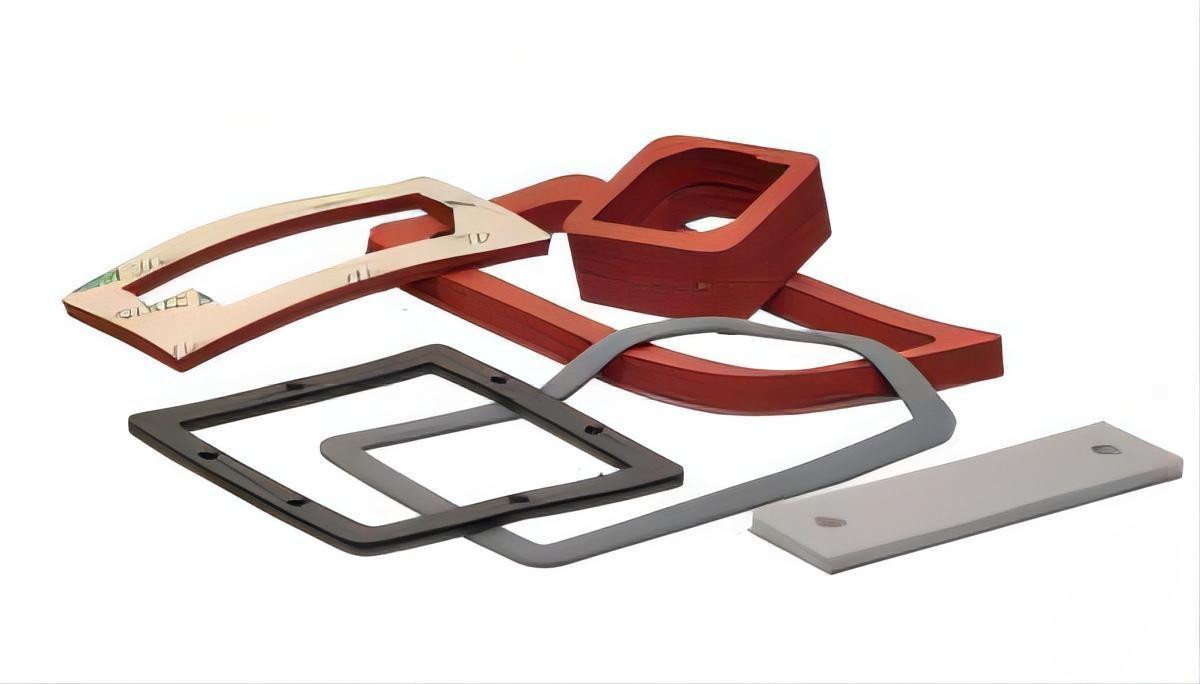
Voordelen van siliconenspons met gesloten cellen
- Brede werktemperatuur — Siliconenspons heeft een temperatuurbereik van -100°F tot 500°F (-73°C tot 260 °C).
- Weersafdichting — de gesloten celconstructie zorgt voor een effectieve afdichting tegen weersinvloeden met relatief bescheiden drukdrukken. UL 50 en UL 50E-classificaties zijn beschikbaar.
- Compressieweerstand - Siliconen hebben een goede weerstand tegen compressie en vervorming (vermogen om terug te keren naar de oorspronkelijke dikte), vooral bij hogere temperaturen, vergeleken met de meeste rubbermaterialen. Er zijn siliconensponsjes met lage compressie verkrijgbaar voor nog betere prestaties dan universele soorten.
- UV- en ozonweerstand - Siliconenmaterialen zijn uitzonderlijk UV- en ozonbestendig, deels dankzij hun anorganische ruggengraat. Dit geeft een langdurige prestatie.
- Moeilijk — Wanneer siliconen nodig zijn, Componenten van siliconenspons bieden superieure robuustheid in tegenstelling tot items van siliconenschuim.
- Buiten pakking - Gezien alle bovengenoemde kenmerken, een siliconenspons is een fantastische materiaaloptie voor buitenomstandigheden, van het noordpoolgebied tot de woestijn.
Voordelen van siliconenspons met gesloten cellen
Siliconenschuim is beschikbaar in zowel open-cel- als gesloten-celschuimstructuur
Open celschuimstructuur maakt een uitstekende absorptie van water mogelijk, vocht, en stof - waardoor het perfect is in een conventionele spons die wordt gebruikt voor het wassen van auto's.
- Structuur met gesloten celschuim biedt niet geschikt voor de absorptie van water, vocht, of stof - waardoor het uitstekend is in afdichtingtoepassingen waar water en stof moeten worden buiten gehouden. Dit soort is intrinsiek hydrofoob (water afstoten) (water afstoten).
Siliconen spons vs. Siliconen schuim
Terwijl zowel siliconenspons als siliconenschuim superieure afdichtkwaliteiten hebben bij verhoogde temperaturen, Er zijn kleine afwijkingen in de materialen. Siliconenspons wordt verergerd en gecombineerd op een 2-rol molen en vervolgens genezen in een oven. Siliconenschuim wordt vervaardigd uit een vloeibaar siliconen dat wordt geëxtrudeerd en genezen in een over. Beide zijn cellulair.
| Kenmerk | Spons | Schuim |
| Grondstof | Gom-gebaseerd siliconen, gemengd en genezen in een oven | Vloeibare siliconen geëxtrudeerd en genezen in een oven |
| Min Max Gebruik temp | -73OC +260OC -100OF + 500OF | -51OC +200OC -67OF + 392OF |
| Ontvlambaarheid | UL 94 HBF (Horizontale brandformule is beschikbaar V22-300) | UL 94 V-0 Verticale verbranding - Betere vlambeoordeling dan spons |
| Compressieset | Goed (Een formule met een lagere compressieset is beschikbaar V22-210) | Betere compressieset dan een spons |
| Treksterkte | Hoge treksterkte; Hoger materiaalgewicht | Lagere treksterkte dan een spons; lager materiaalgewicht. Gemakkelijker om met de hand te scheuren. |
| Dikte | Zachte siliconenspons = 21-30 PCF (pond/kubieke ft) typisch Medium Silicone Sponge = 29-33 PCF typisch Stevige siliconenspons = 40 PCF typisch | Zacht siliconenschuim = 12 PCF typisch(pond/kubieke ft) Gemiddeld siliconenschuim = 22 PCF typisch |
| Compressieafbuiging | Zachte siliconenspons = 5-9 Psi typisch Medium Silicone Sponge = 6-14 Psi typisch Stevige siliconenspons = 12-20 Psi typisch | Zacht siliconenschuim = 3 Psi typisch Gemiddeld siliconenschuim = 9 Psi typisch |
| Opmerking: De verstrekte informatie is voor referentie en de gebruiker moet bepalen of een bepaald | ||
Siliconenspons is meestal groter in dichtheid, hebben een sterkere scheursterkte, en heeft een hoger gebruikstemperatuur (Tot 500F vergeleken met 392F voor siliconenschuim) (Tot 500F vergelijken tot 392F voor siliconenschuim) In wezen heeft siliconenspons grotere fysieke en mechanische kwaliteiten dan siliconenschuim.
Siliconenschuim is meestal zachter, lager in dichtheid, en heeft een lagere compressieset eigenschappen. Omdat het meer lucht bevat, Het biedt superieure thermische isolatie. Siliconenschuim biedt ook grotere vlamvertragende kwaliteiten die belangrijk zijn in luchtvaarttoepassingen. Geen van beide stoffen absorbeert veel water, Daarom siliconen "spons" is vaak een verwarde descriptor.