
Silikon svamp gummiguide
silikonsvamper har enestående mekaniske egenskaper og anses å ha en fullstendig lukket cellestruktur. Silikonsvamp gir ofte større vannforsegling i nedvaskingsapplikasjoner i motsetning til silikonskum.
Hva er silikonsvamp?
Silikonsvamp brukes i matforedlingen, medisinske og farmasøytiske sektorer for forseglingsformål. Blending the lightness of foam with heavier sponge rubber's increased sealing characteristics, silikonsvamp er et veldig fleksibelt materiale.
Silikonelastomeren utvides i det øyeblikket den varmeherdes; ekspansjonsprosessen danner den lukkede celle svampstrukturen. Ekspansjonsprosessen kan sammenlignes med å tilsette gjær til brød for å få det til å heve, genererer komprimerbare luftlommer. Ekspanderte lukkede celler silikonsvampmaterialer tilbyr mange av fordelene med solid silikon i en mykere og mer responsiv form.
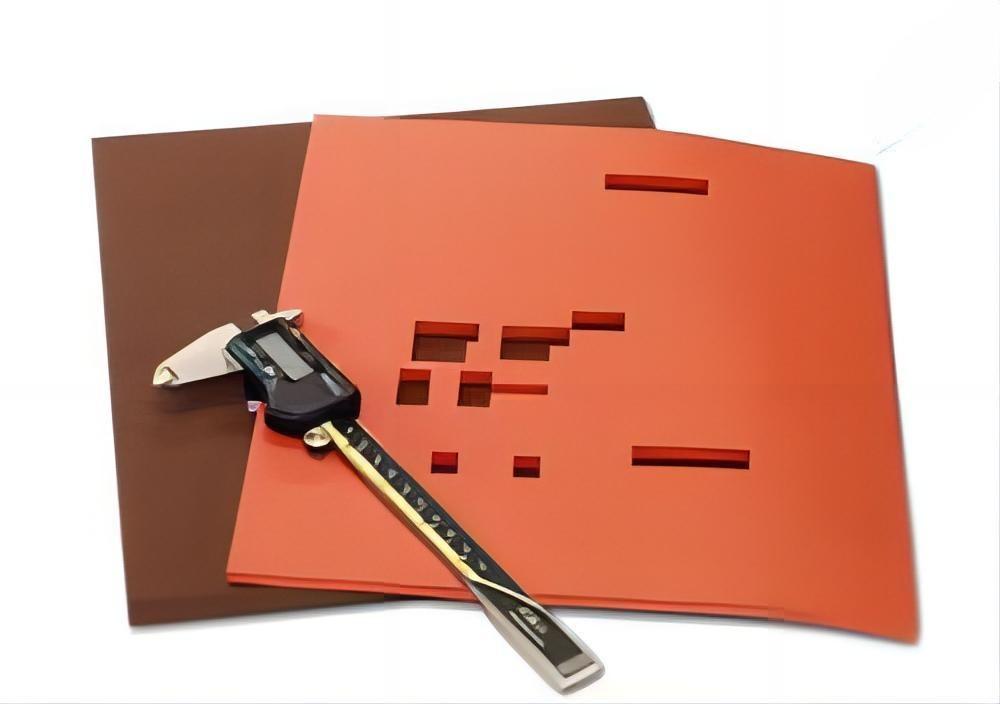
Egenskaper til silikonsvamp
Silikon i seg selv er eksepsjonelt temperaturbestandig, å tåle både høye temperaturer og de som er betydelig under frysepunktet. Silikonsvamp har en tett cellestruktur som gir betydelig beskyttelse mot vann og partikler.
I tillegg, silikonsvampen tilbyr eksepsjonelle vibrasjonsisolerende egenskaper i tillegg til å være i stand til å redusere virkningen av støt på gjenstanden den beskytter.
På den negative siden, Silikon har lav rivefaktor, som innebærer at det kan rive raskt. Dette gjør den uegnet for dynamiske applikasjoner. Silikonsvamp er også veldig inert og bør ikke brukes sammen med kjemikalier, notably oil.
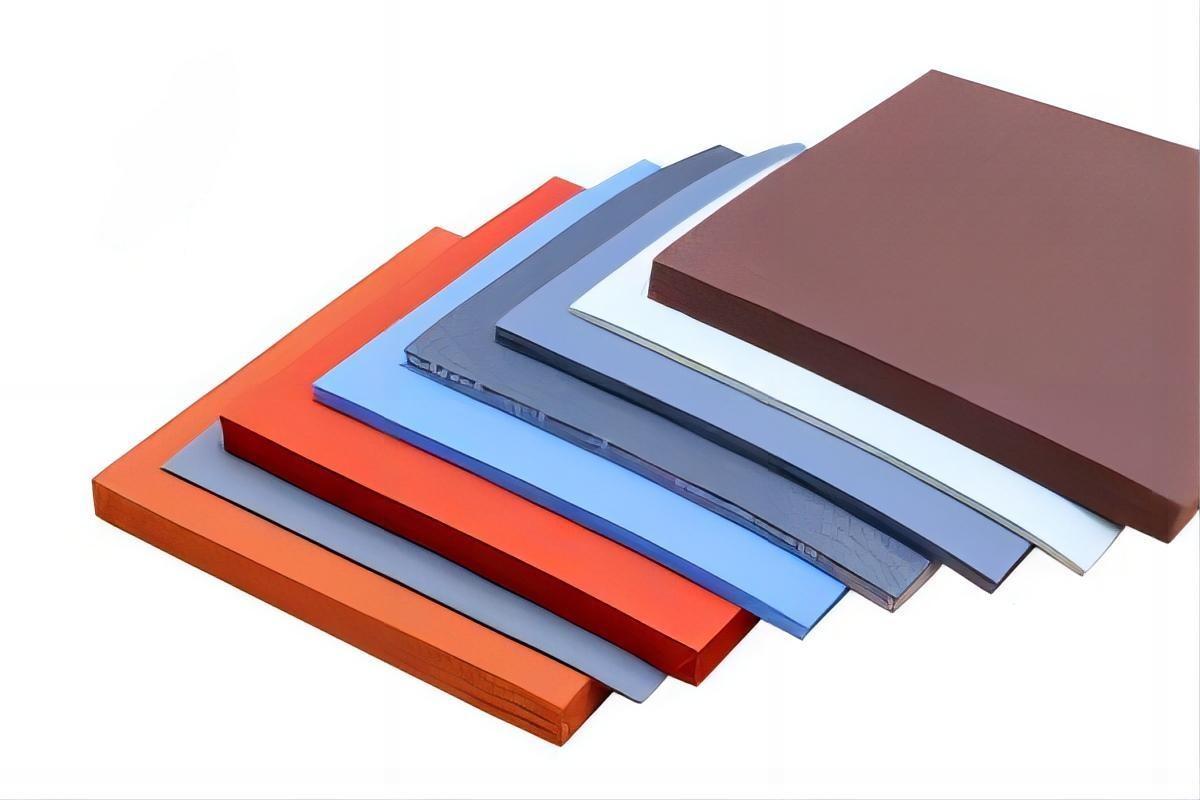
Uses of Silicone Sponge
Silicon sponge is widely used outside for sealing off and shielding lighting, communications and electronics equipment from the outside environment. This is owing to its capacity to inhibit wind-driven rain and tiny particles from getting through and harming the equipment.
Owing to the metal detecting silicone employed in its creation, silicone sponges are widely utilized as seals on the production line where contamination must be prevented. This is because a small quantity of particles from degraded silicone seals that enter the production process can contaminate the items being created on the production line. This might result in thousands of pounds being wasted owing to interrupting production and tainted items being returned.
Particles from the silicone sponge may be detected by sensors on the manufacturing line, enabling for a prompt stoppage and repairs to be done in a short amount of time. This immediately reduces down the amount of time and money lost while the machinery is out of work.
Open-cell Vs Closed-cell Sponge Silicone Rubber
It is vital when selecting any sort of silicone sponge to appreciate the distinction between open and closed cells. Puzzling the two might create disappointment in a seal or gasket in the application.
Open Cell Sponge Silicone Rubber
Open cell basically suggests that every cell, or an air pocket, is extensively linked with the subsequent cell. These cells are not finished terminations, in this manner, vann, dampness, and residue might advance into the cell structure.
A certifiable instance of an open-cell sponge is the sort of sponge that is used to wash basic household objects. In the case that you place the wipe in a basin of water, you notice the wipe dousing up heaps of water which is subsequently squeezed out again onto the car. The water is permitted to travel through every cell and along these lines gets retained and kept inside the sponge.
Closed Cell Sponge Silicone Rubber
A closed cell sponge has a radically different cell structure than an open cell. In a closed-cell silicone sponge, each cell contains air in a completed and closed pocket. Water, fuktighet, and other deposits cannot penetrate any of the cells. For any sort of sealing needs, lukket celle svamp er eksepsjonelt egnet for bruk siden den har ekstremt lavt vanninntak som holder vannet eller annen væske/materiale helt isolert.
Hovedforskjellen mellom en åpen celle og en lukket cellesvamp er seigheten og trykkhastigheten. En svamp med lukkede celler vil være vesentlig stivere. I en svamp med åpne celler, luften kan unnslippe når den presses, og den store trass kommer fra selve gummien.
Anvendelse av silikonsvampmateriale
- Generell tetning i forskjellige bransjer/tilpassede pakninger
- Lyd- og vibrasjonsisolasjon
- Varm & Kald termisk isolasjon
- Demping
- Isolerende/lysarmaturpakning/elektrisk kapsling
- Flammehemmende svamp
- Matforedlingsmaskineriets segl/farmasøytisk utstyr
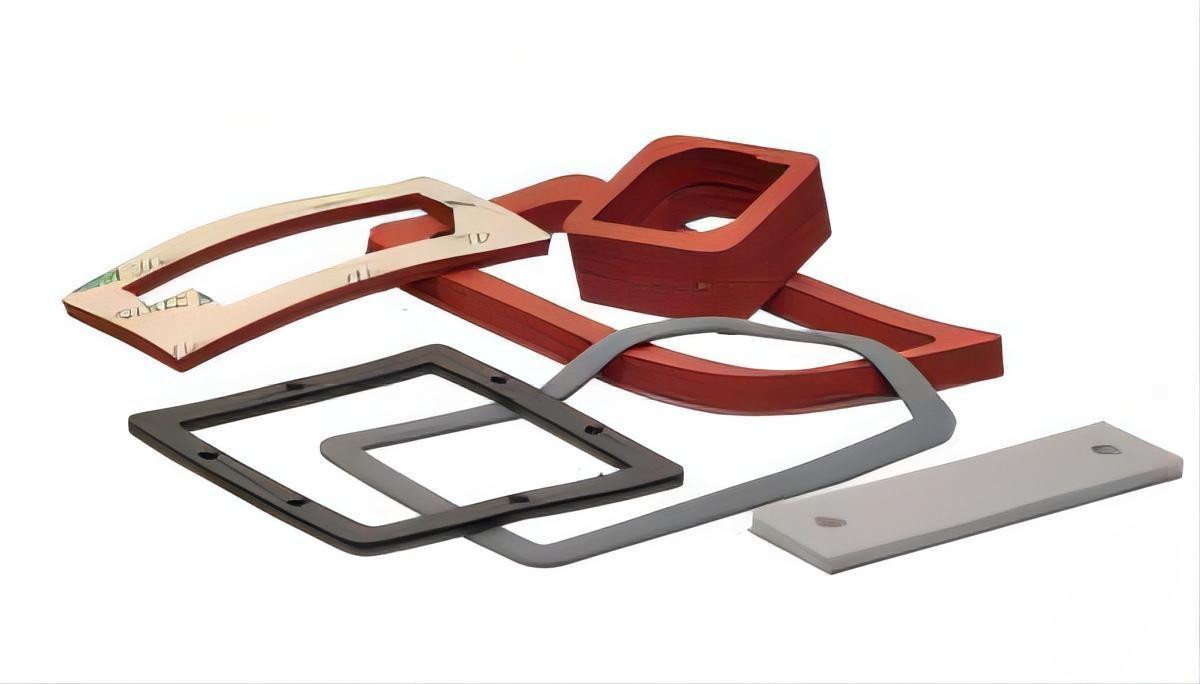
Fordeler med Closed Cell Silikonsvamp
- Bred arbeidstemperatur — Silikonsvamp har et temperaturområde på -100°F til 500°F (-73°C til 260 °C).
- Værforsegling — den lukkede cellekonstruksjonen sørger for effektiv værforsegling med relativt beskjedne trykktrykk. UL 50 og UL 50E-klassifiseringer er tilgjengelige.
- Kompresjonssett motstand - Silikon har god kompresjonsbestandighet (evne til å gå tilbake til opprinnelig tykkelse), spesielt ved høyere temperaturer, sammenlignet med de fleste gummimaterialer. Silikonsvamper med lavt kompresjonssett er tilgjengelig for enda bedre ytelse enn universalkvaliteter.
- UV- og ozonbestandighet - Silikonmaterialer har eksepsjonell UV- og ozonbestandighet, delvis på grunn av deres uorganiske ryggrad. Dette gir en langvarig ytelse.
- Vanskelig — Når silikon er nødvendig, Silikonsvampkomponenter gir overlegen robusthet i motsetning til silikonskumprodukter.
- Utendørs pakning - Gitt alle de ovennevnte egenskapene, en silikonsvamp er et fantastisk materialalternativ for utendørsforhold, fra Arktis til ørkenen.
Fordeler med Closed Cell Silikonsvamp
Silikonskum er tilgjengelig i både åpencellet og lukket celleskumstruktur
Skumstruktur med åpen celle tillater utmerket absorpsjon av vann, fuktighet, og støv – noe som gjør den perfekt i en vanlig svamp som brukes til å vaske biler.
- Skumstruktur med lukkede celler passer ikke for absorpsjon av vann, fuktighet, eller støv – noe som gjør den utmerket i tettingsapplikasjoner der vann og støv må holdes ute. Denne typen er i seg selv hydrofob (avviser vann) (avviser vann).
Silikonsvamp vs. Silikonskum
Mens både silikonsvamp og silikonskum har overlegne tetteegenskaper ved økte temperaturer, det er små variasjoner i materialene. Silikonsvamp blandes og kombineres på en 2-vals mølle og herdes deretter i en ovn. Silikonskum er laget av en flytende silikon som er ekstrudert og herdet i en over. Begge er cellulære.
| Karakteristisk | Svamp | Skum |
| Råstoff | Gummibasert silikon, blandet og herdet i ovn | Flytende silikon ekstrudert og herdet i ovn |
| Min Maks Bruk Temp | -73oC +260oC -100oF + 500oF | -51oC +200oC -67oF + 392oF |
| Brennbarhet | UL 94 HBF (horisontal brenneformel er tilgjengelig V22-300) | UL 94 V-0 Vertikal brenning - bedre flammevurdering enn svamp |
| Kompresjonssett | Flink (en formel med lavere kompresjonssett er tilgjengelig V22-210) | Bedre kompresjonssett enn en svamp |
| Strekkstyrke | Høy strekkfasthet; høyere materialvekt | Lavere strekkfasthet enn en svamp; lavere materialvekt. Lettere å rive for hånd. |
| Tetthet | Myk silikonsvamp = 21-30 PCF (pund/kubikkfot) typisk Medium silikonsvamp = 29-33 PCF typisk Fast silikonsvamp = 40 PCF typisk | Mykt silikonskum = 12 PCF typisk(pund/kubikkfot) Medium silikonskum = 22 PCF typisk |
| Kompresjonsavbøyning | Myk silikonsvamp = 5-9 PSI typisk Medium silikonsvamp = 6-14 PSI typisk Fast silikonsvamp = 12-20 PSI typisk | Mykt silikonskum = 3 PSI typisk Medium silikonskum = 9 PSI typisk |
| Merk: Informasjonen som gis er for referanse, og brukeren må avgjøre om en bestemt | ||
Silikonsvamp har en tendens til å ha større tetthet, har sterkere rivestyrke, og har høyere brukstemperatur (opptil 500F sammenlignet med 392F for silikonskum) (opptil 500F sammenlignet med 392F for silikonskum) I hovedsak har silikonsvamp større fysiske og mekaniske egenskaper enn silikonskum.
Silikonskum har en tendens til å være mykere, lavere i tetthet, og har lavere kompresjonssettegenskaper. Siden det inkluderer mer luft, det gir overlegen termisk isolasjon. Silikonskum gir også større flammehemmende egenskaper som er viktige i luftfartsapplikasjoner. Ingen av stoffene absorberer mye vann, derfor silikon "svamp" er ofte en forvirret beskrivelse.