
Silikonsvampgummiguide
silikonsvampar har enastående mekaniska egenskaper och anses ha en helt sluten cellstruktur. Silikonsvamp ger ofta bättre vattentätning i tvättningsapplikationer i motsats till silikonskum.
Vad är silikonsvamp?
Silikonsvamp används vid livsmedelsförädlingen, medicinska och farmaceutiska sektorer för tätningsändamål. Blending the lightness of foam with heavier sponge rubber's increased sealing characteristics, silikonsvamp är ett mycket flexibelt material.
Silikonelastomeren expanderas i det ögonblick den värmehärdas; expansionsprocessen bildar svampstrukturen med slutna celler. Expansionsprocessen kan jämföras med att tillsätta jäst till bröd för att få det att jäsa, genererar komprimerbara luftfickor. Expanderad silikonsvampmaterial med slutna celler erbjuder många av fördelarna med solid silikon i en mjukare och mer lyhörd form.
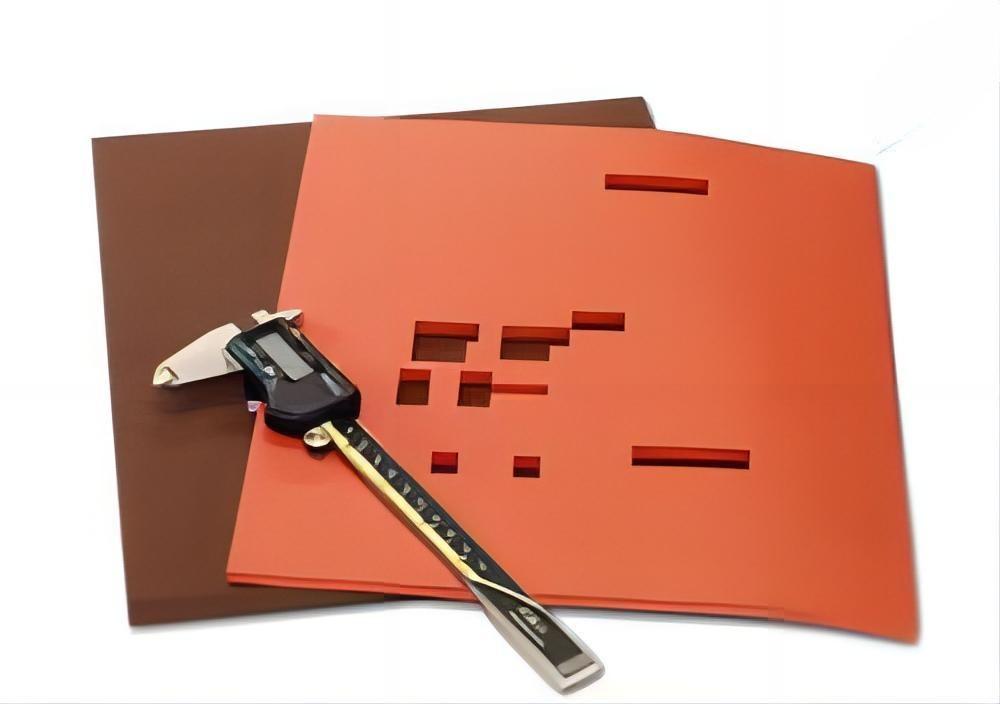
Silikonsvampens egenskaper
Silikon i sig är exceptionellt temperaturbeständigt, att klara av både höga temperaturer och de som ligger betydligt under fryspunkten. Silikonsvamp har en tät cellstruktur som ger ett betydande skydd mot vatten och partiklar.
Dessutom, silikonsvampen erbjuder exceptionella vibrationsisolerande egenskaper samtidigt som den kan minska effekterna av stötar på föremålet den skyddar.
På den negativa sidan, Silikon har låg rivfaktor, vilket innebär att det kan rivas snabbt. Detta gör den olämplig för dynamiska applikationer. Silikonsvamp är också mycket inert och bör inte användas med kemikalier, framför allt olja.
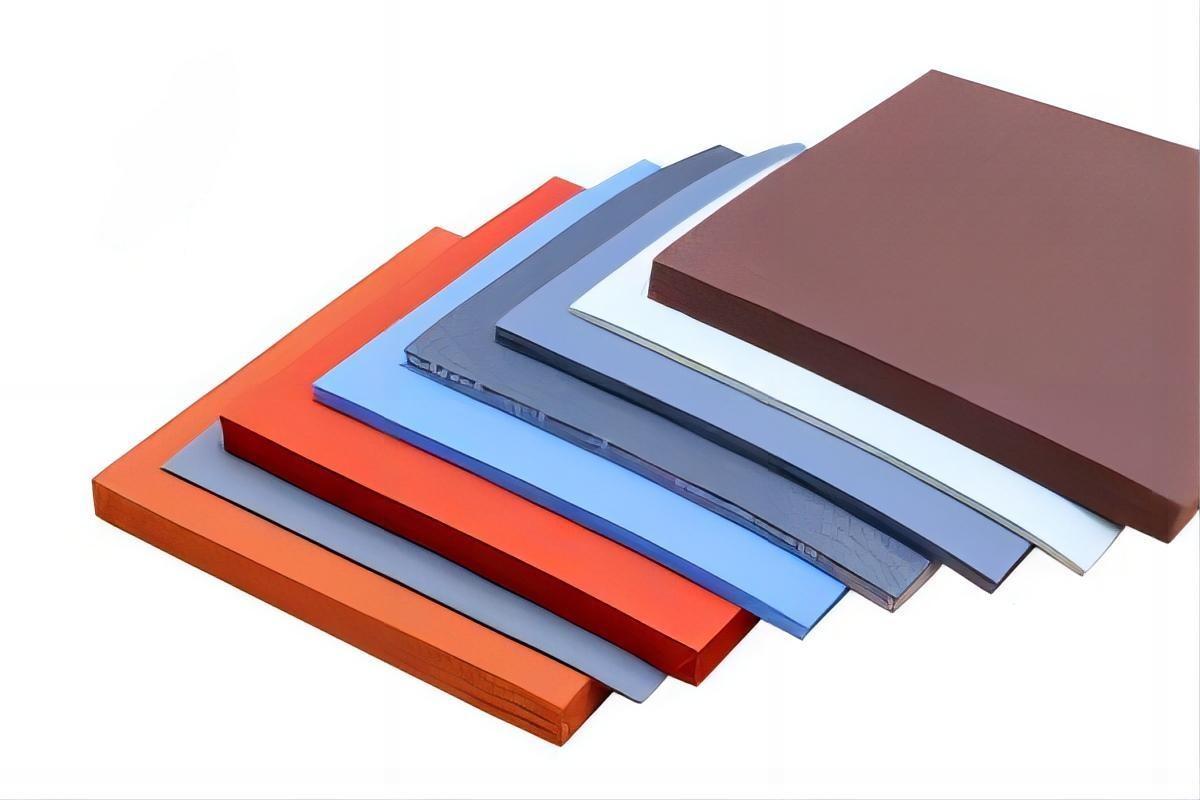
Användning av silikonsvamp
Silikonsvamp används ofta utomhus för att stänga av och skärma av belysning, kommunikations- och elektronikutrustning från omgivningen. Detta beror på dess förmåga att förhindra vinddrivet regn och små partiklar från att komma igenom och skada utrustningen.
På grund av det metalldetekterande silikonet som används i dess skapelse, silikonsvampar används i stor utsträckning som tätningar på produktionslinjen där kontaminering måste förhindras. Detta beror på att en liten mängd partiklar från nedbrutna silikontätningar som kommer in i produktionsprocessen kan förorena de föremål som skapas på produktionslinjen. Detta kan leda till att tusentals pund går till spillo på grund av att produktionen avbryts och att smutsiga föremål returneras.
Partiklar från silikonsvampen kan detekteras av sensorer på tillverkningslinjen, vilket möjliggör ett snabbt stopp och reparationer som kan utföras på kort tid. Detta minskar omedelbart mängden tid och pengar som går förlorade när maskinen inte fungerar.
Öppen cell vs stängd cell svamp silikongummi
Det är viktigt när man väljer någon form av silikonsvamp att uppskatta skillnaden mellan öppna och slutna celler. Att förbrylla de två kan skapa besvikelse i en tätning eller packning i applikationen.
Open Cell Sponge Silikongummi
Öppen cell antyder i princip att varje cell, eller en luftficka, är i stor utsträckning kopplad till den efterföljande cellen. Dessa celler är inte färdiga uppsägningar, på detta sätt, vatten, fuktighet, och rester kan komma in i cellstrukturen.
En certifieringsbar instans av en svamp med öppna celler är den typ av svamp som används för att tvätta vanliga hushållsföremål. I det fall att du placerar torkduken i en bassäng med vatten, du märker att torkan torkar upp högar av vatten som sedan pressas ut igen på bilen. Vattnet tillåts färdas genom varje cell och längs dessa linjer hålls det kvar och hålls inuti svampen.
Stängd cell svamp silikongummi
En svamp med slutna celler har en radikalt annorlunda cellstruktur än en öppen cell. I en silikonsvamp med slutna celler, varje cell innehåller luft i en färdig och stängd ficka. Vatten, fuktighet, och andra avlagringar kan inte penetrera någon av cellerna. För alla typer av tätningsbehov, stängd cellsvamp är exceptionellt lämplig för användning eftersom den har extremt lågt vattenintag som håller vattnet eller annan vätska/material helt isolerad.
Huvudskillnaden mellan en öppen cell och en stängd cellsvamp är segheten och tryckhastigheten. En svamp med slutna celler kommer att vara avsevärt styvare. I en svamp med öppna celler, luften kan fly bort när den trycks och det stora trotset kommer från själva gummit.
Silikonsvampmaterial Applikationer
- Allmän tätning i olika industrier/anpassade packningsapplikationer
- Ljud- och vibrationsisolering
- Varm & Kall värmeisolering
- Dämpning
- Isolerande/belysningsarmatur packning/elektrisk kapsling
- Flamskyddande svamp
- Försegling/farmaceutisk utrustning för livsmedelsmaskiner
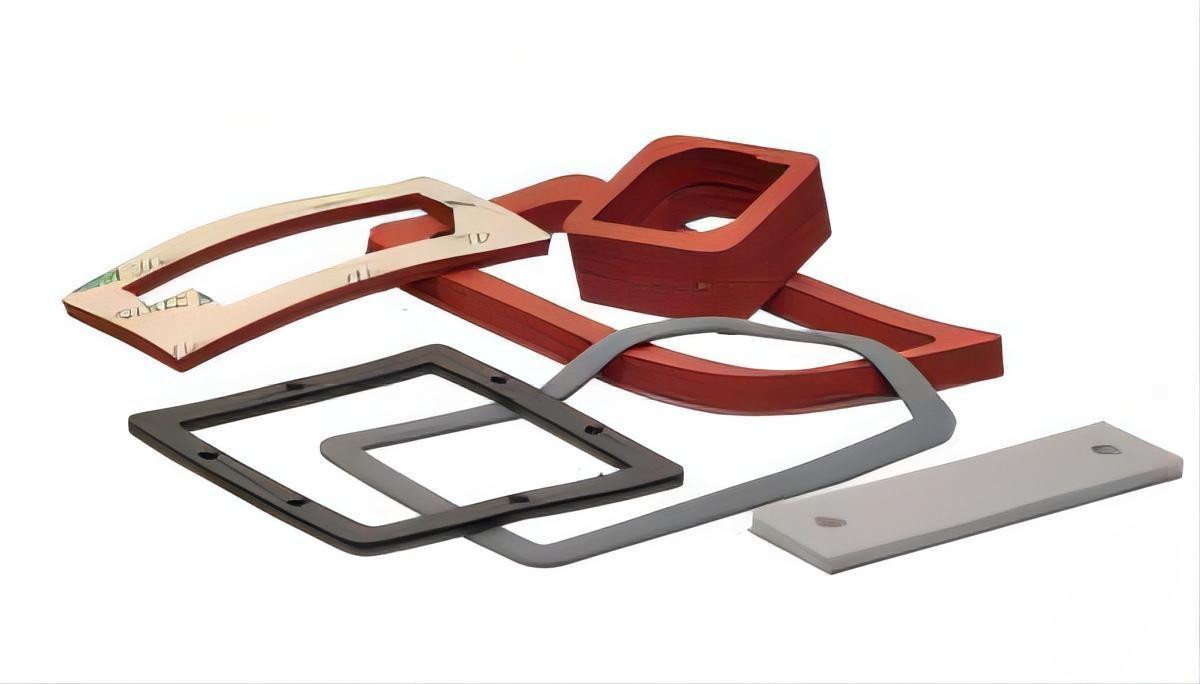
Fördelar med Closed Cell Silikonsvamp
- Bred arbetstemperatur — Silikonsvamp har ett temperaturområde på -100°F till 500°F (-73°C till 260°C).
- Vädertätning — Den slutna cellkonstruktionen ger effektiv vädertätning med förhållandevis måttliga trycktryck. UL 50 och UL 50E-klassificeringar finns tillgängliga.
- Kompressionsuppsättningsmotstånd - Silikon har bra motstånd mot kompression (förmåga att återhämta sig till ursprunglig tjocklek), speciellt vid högre temperaturer, jämfört med de flesta gummimaterial. Silikonsvampar med låg kompression finns tillgängliga för ännu bättre prestanda än vanliga kvaliteter.
- UV- och ozonbeständighet - Silikonmaterial har exceptionell UV- och ozonbeständighet, delvis på grund av deras oorganiska ryggrad. Detta ger en långvarig prestanda.
- Tuff — När silikon behövs, komponenter i silikonsvamp ger överlägsen robusthet i motsats till föremål av silikonskum.
- Utomhus packning - Med tanke på alla ovanstående egenskaper, en silikonsvamp är ett fantastiskt materialalternativ för utomhusförhållanden, från Arktis till öknen.
Fördelar med Closed Cell Silikonsvamp
Silikonskum finns i både öppen cell- och stängd cellstruktur
Öppen cellskumstruktur Tillåter utmärkt absorption av vatten, fukt, och damm - vilket gör det perfekt i en konventionell svamp som används för att tvätta bilar.
- Stängd cellskumstruktur inte rymmer för att absorption av vatten, fukt, eller damm - vilket gör det utmärkt vid tätningsapplikationer där vatten och damm måste hållas ute. Den här typen är i sig hydrofob (avvisar vatten) (avvisar vatten).
Silikonsvamp vs. Silikonskum
Medan både silikonsvamp och silikonskum har överlägsna tätningskvaliteter vid ökade temperaturer, Det finns små variationer i materialen. Silikonsvamp är sammansatt och kombineras på en 2-rullfabrik och botas sedan i en ugn. Silikonskum tillverkas av en flytande silikon som extruderas och botas i en över. Båda är cellulära.
| Karakteristisk | Svamp | Skumma |
| Råvara | Gummibaserad silikon, blandad och botad i en ugn | Flytande silikon extruderad och botad i en ugn |
| Min max Använd temp | -73oC +260oC -100oF + 500oF | -51oC +200oC -67oF + 392oF |
| Brandfarlighet | UL 94 Hbf (Horisontell brännformel är tillgänglig V22-300) | UL 94 V-0 Vertikal brännskada - Bättre låga betyg än svamp |
| Kompressionsuppsättning | Bra (En lägre komprimeringsuppsättning är tillgänglig v22-210) | Bättre kompressionsuppsättning än en svamp |
| Brottgräns | Hög draghållfasthet; Högre materialvikt | Lägre draghållfasthet än en svamp; lägre materialvikt. Lättare att riva för hand. |
| Densitet | Mjuk silikonsvamp = 21-30 Pcf (pund/kubik ft) typisk Medium silikonsvamp = 29-33 PCF -typisk Fast silikonsvamp = 40 PCF -typisk | Mjukt silikonskum = 12 PCF -typisk(pund/kubik ft) Medium silikonskum = 22 PCF -typisk |
| Avböjning av komprimering | Mjuk silikonsvamp = 5-9 Psi typisk Medium silikonsvamp = 6-14 Psi typisk Fast silikonsvamp = 12-20 Psi typisk | Mjukt silikonskum = 3 Psi typisk Medium silikonskum = 9 Psi typisk |
| Notera: Den information som tillhandahålls är för referens och användaren måste avgöra om en viss | ||
Silikonsvamp tenderar att vara större i densitet, har starkare ripstyrka, och har en högre användningstemp (Upp till 500F jämfört med 392F för silikonskum) (Upp till 500F jämför med 392F för silikonskum) I huvudsak silikonsvamp har större fysiska och mekaniska egenskaper än silikonskum.
Silikonskum tenderar att vara mjukare, lägre i densitet, och har lägre kompressionsuppsättningsegenskaper. Eftersom det inkluderar mer luft, det ger överlägsen värmesolering. Silikonskum ger också större flamskyddsmedel som är viktiga i luftfartstillämpningar. Ingen av ämnena absorberar mycket vatten, Därför silikon "svamp" är ofta en förvirrad deskriptor.