
Silikon Sünger Kauçuk Kılavuzu
silikon süngerler olağanüstü mekanik niteliklere sahiptir ve tam kapalı hücre yapısına sahip oldukları kabul edilir.. Silikon sünger, yıkama uygulamalarında silikon köpüğün aksine sıklıkla daha fazla su yalıtımı sağlar.
Silikon Sünger Nedir?
Silikon sünger gıda işlemede kullanılır, sızdırmazlık amaçlı tıp ve ilaç sektörleri. Blending the lightness of foam with heavier sponge rubber's increased sealing characteristics, silikon sünger çok esnek bir malzemedir.
Silikon elastomer ısıyla sertleştiği anda genleşir; genişleme süreci kapalı hücreli sünger yapısını oluşturur. Genişletme süreci ekmeğin kabarmasını sağlamak için maya eklenmesine benzetilebilir, sıkıştırılabilir hava cepleri oluşturma. Genişletilmiş kapalı hücreli silikon sünger malzemeleri, katı silikonun birçok avantajını daha yumuşak ve daha duyarlı bir biçimde sunar.
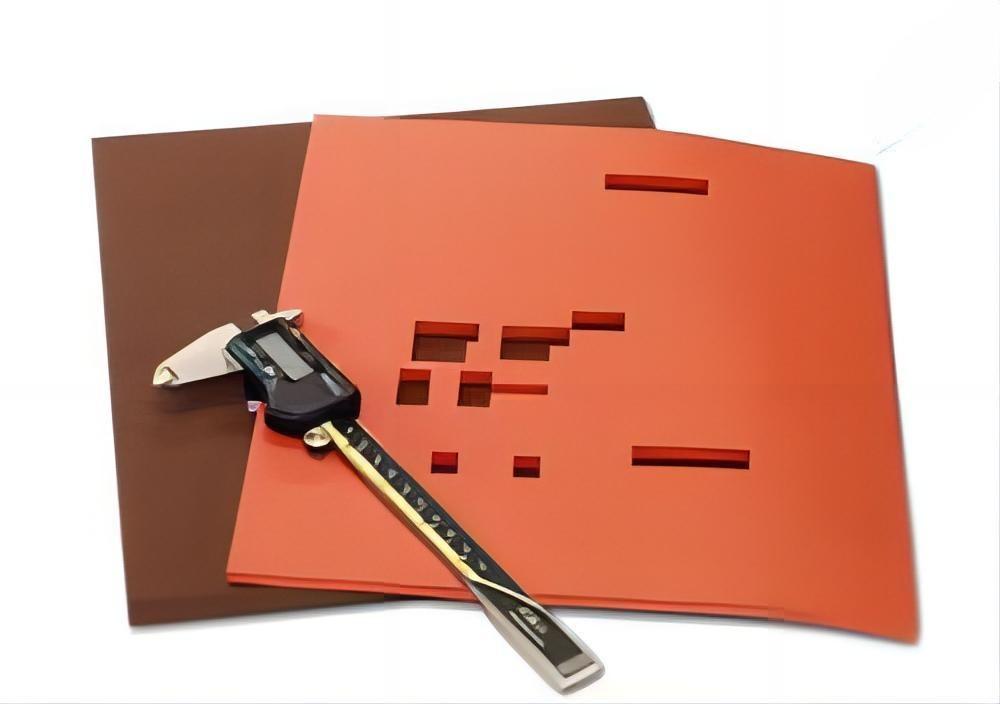
Silikon Süngerin Özellikleri
Silikonun kendisi son derece sıcaklığa dayanıklıdır, hem yüksek sıcaklıklara hem de donma noktasının oldukça altındaki sıcaklıklara dayanabilme. Silikon sünger, suya ve parçacıklara karşı önemli koruma sağlayan yoğun hücre yapısına sahiptir..
Ek olarak, Silikon sünger, olağanüstü titreşim izolasyon özellikleri sunmanın yanı sıra, koruduğu nesneye gelen şokların etkilerini de azaltır..
Negatif tarafta, Silikonun yırtılma faktörü düşüktür, bu da hızlı bir şekilde yırtılabileceği anlamına gelir. Bu, onu dinamik uygulamalar için uygunsuz hale getirir. Silikon sünger de oldukça inerttir ve kimyasallarla kullanılmamalıdır., özellikle petrol.
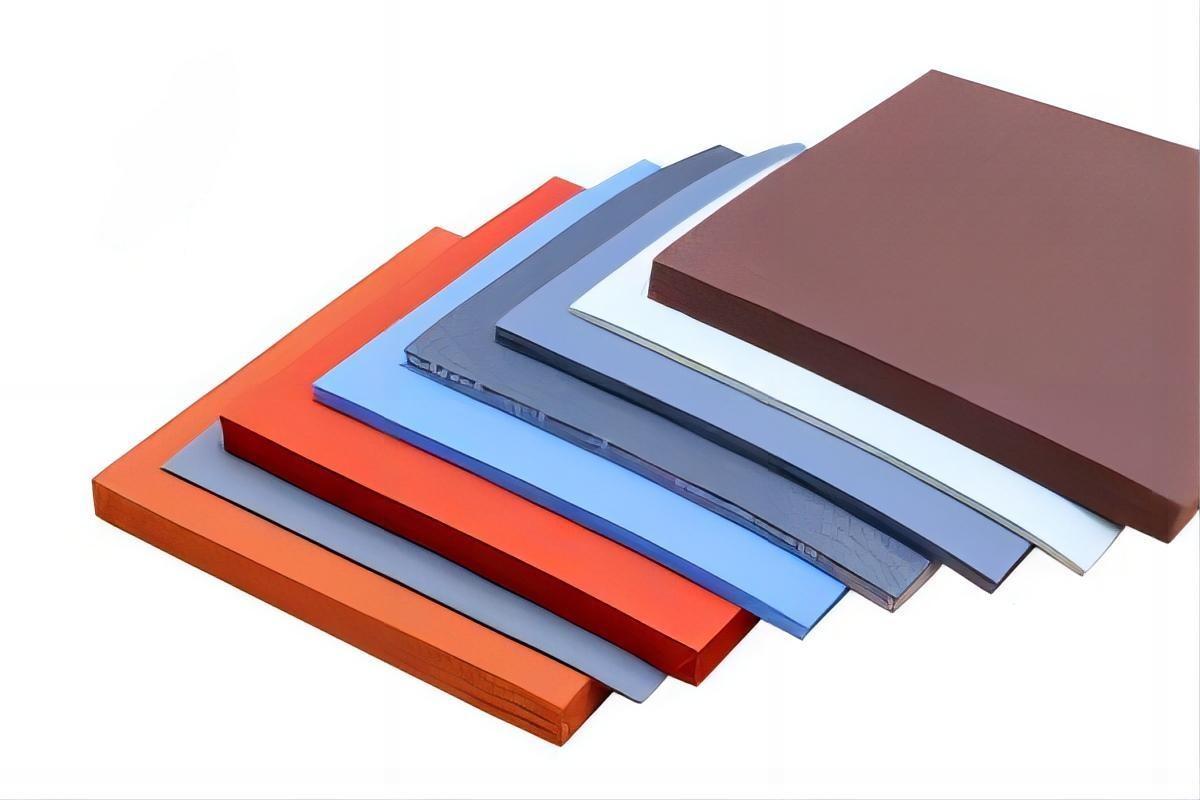
Silikon Süngerin Kullanım Alanları
Silikon sünger, aydınlatmayı kapatmak ve korumak için dışarıda yaygın olarak kullanılır, dış ortamdan iletişim ve elektronik ekipmanlar. Bunun nedeni, rüzgarla yağan yağmurun ve küçük parçacıkların içeri girip ekipmana zarar vermesini önleme kapasitesidir..
Yapımında kullanılan metal tespit silikonu sayesinde, Silikon süngerler, kirlenmenin önlenmesi gereken üretim hattında conta olarak yaygın şekilde kullanılmaktadır.. Bunun nedeni, üretim sürecine giren, bozulmuş silikon contalardan gelen az miktardaki parçacıkların, üretim hattında oluşturulan öğeleri kirletebilmesidir.. Bu, üretimin kesintiye uğraması ve kusurlu ürünlerin iade edilmesi nedeniyle binlerce liranın boşa gitmesine neden olabilir..
Silikon süngerdeki parçacıklar üretim hattındaki sensörler tarafından tespit edilebilir., hızlı durdurma ve onarımların kısa sürede yapılmasını sağlar. Bu, makine çalışmazken kaybedilen zaman ve para miktarını anında azaltır.
Açık hücreli vs Kapalı hücreli Sünger Silikon Kauçuk
Herhangi bir tür silikon süngeri seçerken açık ve kapalı hücreler arasındaki ayrımı anlamak hayati önem taşır.. Bu ikisini karıştırmak, uygulamadaki conta veya conta konusunda hayal kırıklığı yaratabilir.
Açık Hücreli Sünger Silikon Kauçuk
Açık hücre temel olarak her hücrenin, veya bir hava cebi, sonraki hücreyle kapsamlı bir şekilde bağlantılıdır. Bu hücreler bitmiş sonlandırmalar değil, bu şekilde, su, nem, ve kalıntı hücre yapısına ilerleyebilir.
Açık hücreli süngerin onaylanabilir bir örneği, temel ev eşyalarını yıkamak için kullanılan sünger türüdür.. Mendili su dolu bir leğene koymanız durumunda, mendilin su yığınlarını ıslattığını fark ediyorsunuz, bu su daha sonra tekrar arabanın üzerine sıkılıyor. Suyun her hücreden geçmesine izin verilir ve bu çizgiler boyunca süngerin içinde tutulur ve tutulur..
Kapalı Hücre Sünger Silikon Kauçuk
Kapalı hücreli bir sünger, açık hücreli bir süngerden tamamen farklı bir hücre yapısına sahiptir.. Kapalı hücreli silikon süngerde, her hücre tamamlanmış ve kapalı bir cepte hava içerir. su, nem, ve diğer birikintiler hiçbir hücreye nüfuz edemez. Her türlü sızdırmazlık ihtiyacı için, Kapalı hücreli sünger, suyu veya diğer herhangi bir sıvıyı/malzemeyi tamamen izole tutan son derece düşük su alımına sahip olduğundan kullanıma son derece uygundur..
Açık hücreli sünger ile kapalı hücreli sünger arasındaki temel fark, dayanıklılık ve basınç oranıdır.. Kapalı hücreli bir sünger önemli ölçüde daha sert olacaktır. Açık hücreli bir süngerde, itildiğinde hava kaçabilir ve en büyük zorluk kauçuğun kendisinden gelir.
Silikon Sünger Malzeme Uygulamaları
- Farklı Endüstrilerde Genel Sızdırmazlık/Özel Conta Uygulamaları
- Ses ve Titreşim Yalıtımı
- Sıcak & Soğuk Isı Yalıtımı
- Yastıklama
- Yalıtım/Aydınlatma Armatür Contası/Elektrik Muhafazası
- Alev Geciktirici Sünger
- Gıda İşleme Makineleri Contası/İlaç Ekipmanları
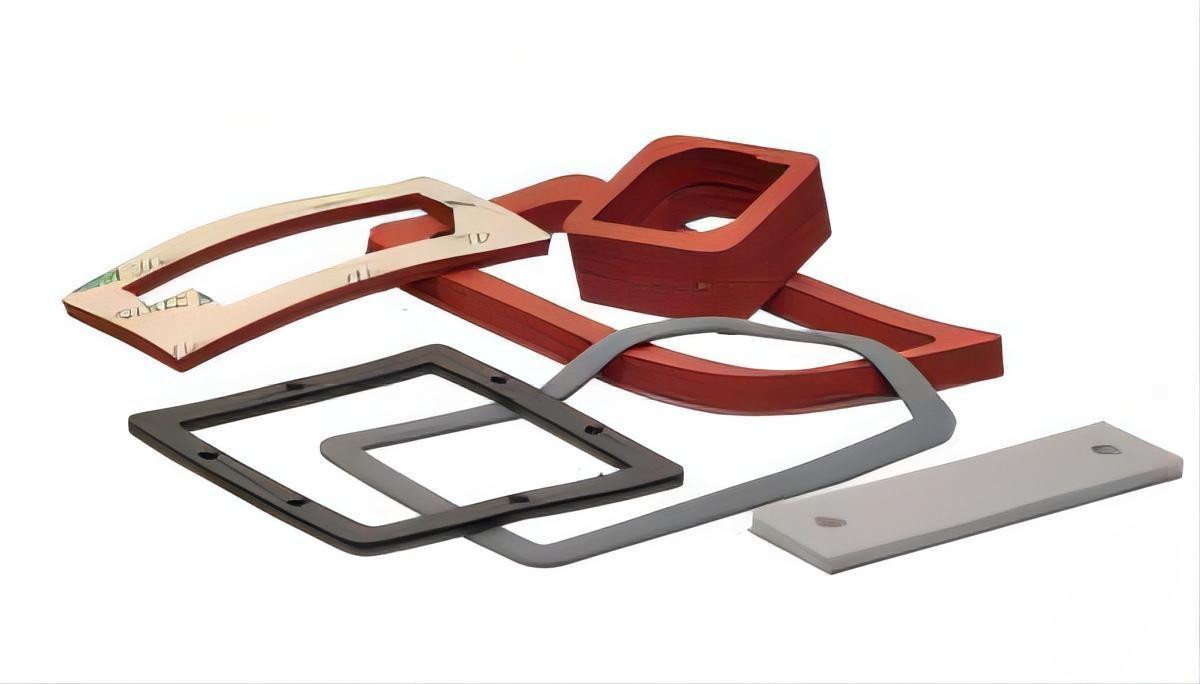
Kapalı Hücreli Silikon Süngerin Faydaları
- Geniş çalışma sıcaklığı — Silikon süngerin sıcaklık aralığı -100°F ile 500°F arasındadır (-73°C ila 260°C).
- Hava koşullarına karşı sızdırmazlık — Kapalı hücre yapısı, nispeten mütevazı basınç basınçlarıyla hava şartlarına karşı etkili sızdırmazlık sağlar. UL 50 ve UL 50E derecelendirmeleri mevcuttur.
- Sıkıştırma seti direnci - Silikonun iyi bir sıkıştırma seti direnci vardır (orijinal kalınlığa geri dönme yeteneği), özellikle yüksek sıcaklıklarda, çoğu kauçuk malzemeyle karşılaştırıldığında. Genel amaçlı kalitelere göre daha yüksek performans için düşük sıkıştırmalı set silikon süngerler mevcuttur.
- UV ve ozon direnci - Silikon malzemeler, kısmen inorganik omurgaları nedeniyle olağanüstü UV ve ozon direncine sahiptir. Bu uzun süreli bir performans sağlar.
- Zorlu — Silikon gerektiğinde, silikon sünger bileşenleri, silikon köpük parçalara kıyasla üstün sağlamlık sağlar.
- Dış conta - Yukarıdaki tüm özellikler göz önüne alındığında, silikon sünger dış mekan koşulları için harika bir malzeme seçeneğidir, Kuzey Kutbu'ndan çöle.
Kapalı Hücreli Silikon Süngerin Faydaları
Silikon köpük hem açık hücreli hem de kapalı hücreli köpük yapısında mevcuttur
Hücre köpüğü yapısı açık Suyun mükemmel emilimine izin verir, nem, ve toz - otomobil yıkaması için kullanılan geleneksel bir süngerde mükemmel hale getirir.
- Kapalı hücre köpüğü yapısı suyun emilimi için uyum sağlamaz, nem, veya toz - su ve tozun dışarıda tutulması gereken sızdırmazlık uygulamalarında mükemmel hale getirme. Bu tür içsel olarak hidrofobiktir (Suyu iter) (Suyu iter).
Silikon Sünger Vs. Silikon Köpük
Hem silikon sünger hem de silikon köpük, yüksek sıcaklıklarda üstün sızdırmazlık özelliklerine sahipken, materyallerde küçük farklılıklar var. Silikon sünger, 2 silindirli bir değirmende birleştirilir ve birleştirilir ve daha sonra bir fırında sertleştirilir. Silikon köpük, ekstrüzyona tabi tutulan ve aşırı sertleşen bir sıvı silikondan üretilir.. Her ikisi de hücresel.
| karakteristik | Sünger | Köpük |
| Hammadde | Sakız bazlı silikon, fırında karıştırılıp kürlenir | Sıvı silikon kalıptan çekilmiş ve fırında kürlenmiştir |
| Min Maksimum Kullanım Sıcaklığı | -73OC +260OC -100OF + 500OF | -51OC +200OC -67OF + 392OF |
| Yanıcılık | UL 94 HBF (yatay yanma formülü mevcuttur V22-300) | UL 94 V-0 Dikey yanık - süngerden daha iyi alev derecesi |
| Sıkıştırma seti | İyi (daha düşük bir sıkıştırma seti formülü mevcuttur V22-210) | Bir süngerden daha iyi sıkıştırma seti |
| Gerilme direnci | Yüksek çekme mukavemeti; daha yüksek malzeme ağırlığı | Bir süngere göre daha düşük çekme mukavemeti; daha düşük malzeme ağırlığı. Elle yırtmak daha kolay. |
| Yoğunluk | Yumuşak Silikon Sünger = 21-30 PCF (pound/kübik ft) tipik Orta silikon sünger = 29-33 PCF tipik Sert silikon sünger = 40 PCF tipik | Yumuşak silikon köpük = 12 PCF tipik(pound/kübik ft) Orta silikon köpük = 22 PCF tipik |
| Sıkıştırma sapması | Yumuşak Silikon Sünger = 5-9 Psi tipik Orta silikon sünger = 6-14 Psi tipik Sert silikon sünger = 12-20 Psi tipik | Yumuşak silikon köpük = 3 Psi tipik Orta silikon köpük = 9 Psi tipik |
| Not: Sağlanan bilgiler referans içindir ve kullanıcı belirli bir | ||
Silikon sünger yoğunlukta daha büyük olma eğilimindedir, daha güçlü yırtılma mukavemetine sahip olmak, ve daha yüksek kullanım sıcaklığına sahiptir (Silikon köpük için 392F'ye kıyasla 500F'ye kadar) (500F'ye kadar silikon köpük için 392F ile karşılaştırın) Esasen silikon sünger, silikon köpükten daha fazla fiziksel ve mekanik niteliklere sahiptir.
Silikon köpük daha yumuşak olma eğilimindedir, Yoğunlukta düşük, ve daha düşük sıkıştırma kümesi özelliklerine sahiptir. Daha fazla hava içerdiğinden, Üstün termal yalıtım sağlar. Silikon köpük ayrıca havacılık uygulamalarında önemli olan daha büyük alev geciktirici nitelikler sağlar.. Hiçbir madde çok fazla su emmez, Bu nedenle silikon "sünger" sıklıkla karışık bir tanımlayıcıdır.