
シリコーンスポンジゴムガイド
シリコーンスポンジは優れた機械的品質を備えており、完全な独立気泡構造を持つと考えられています。. シリコーンスポンジは、シリコーンフォームとは対照的に、洗い流し用途においてより優れた止水性を提供することがよくあります。.
シリコーンスポンジとは?
シリコンスポンジは食品加工などで活用されています。, 医療および製薬分野のシール目的. Blending the lightness of foam with heavier sponge rubber's increased sealing characteristics, シリコンスポンジは非常に柔軟な素材です.
シリコーンエラストマーは熱硬化した瞬間に膨張します。; 膨張プロセスにより独立気泡スポンジ構造が形成されます。. 膨張プロセスは、パンにイーストを加えて膨らませることに例えられるかもしれません。, 圧縮性エアポケットの生成. 拡張独立気泡シリコーンスポンジ素材は、より柔らかく反応性の高い形状で固体シリコーンの多くの利点を提供します。.
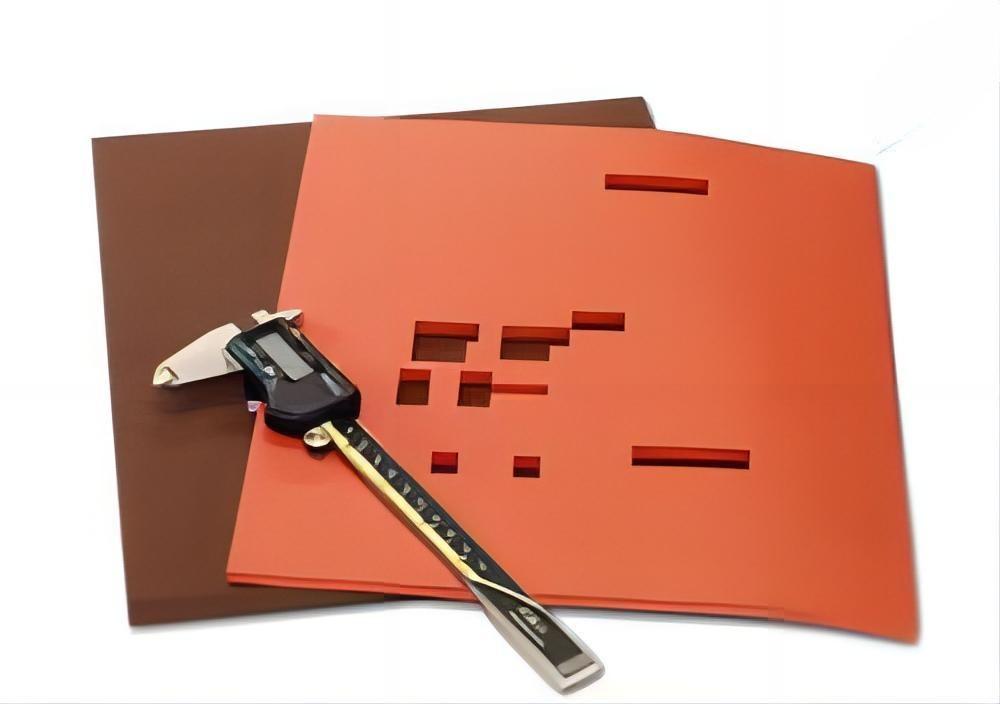
シリコーンスポンジの性質
シリコーン自体は非常に優れた耐熱性を持っています, 高温と氷点下をかなり下回る温度の両方に耐えることができる. シリコーンスポンジは緻密な気泡構造を持っており、水や粒子から大幅に保護します。.
加えて, シリコンスポンジは優れた防振特性を提供するだけでなく、保護対象物への衝撃の影響を軽減することができます。.
マイナス面では, シリコーンは引裂き係数が低い, これは、すぐに破れてしまう可能性があることを意味します. これにより、動的アプリケーションには不向きになります。. シリコンスポンジは非常に不活性なので、化学薬品と一緒に使用しないでください。, 特に油.
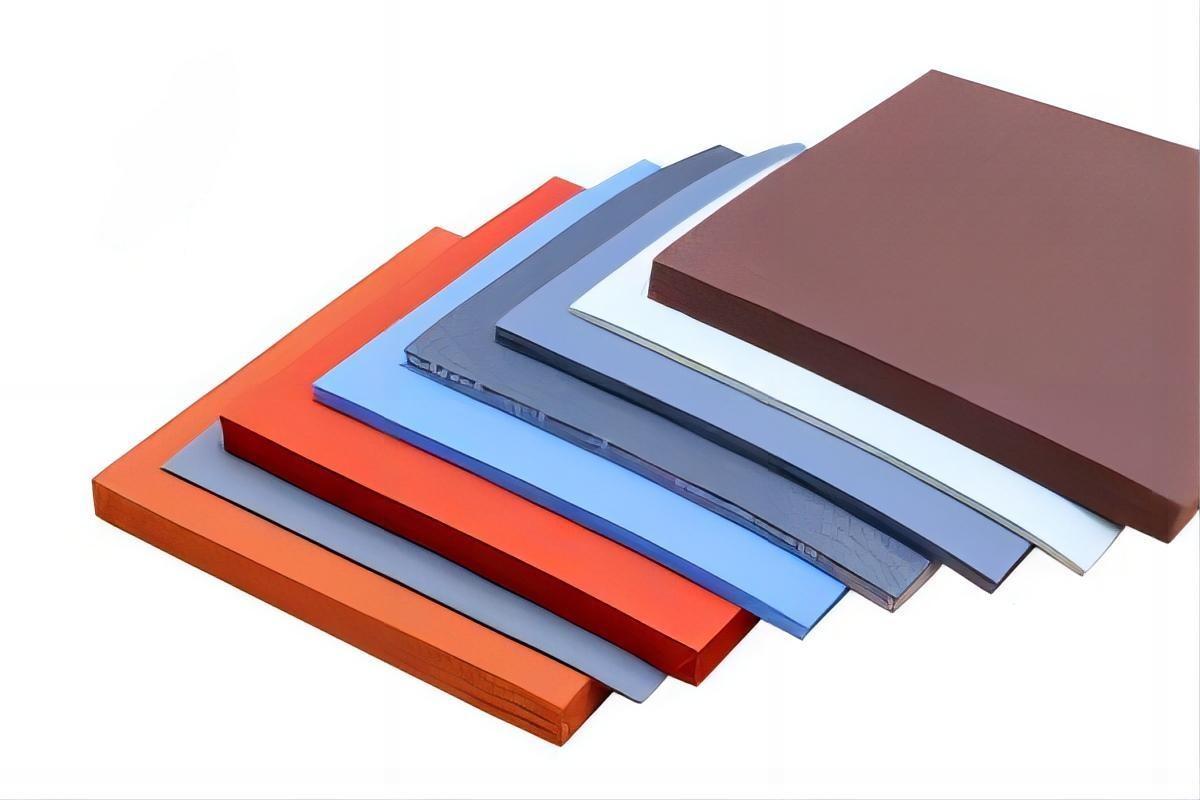
シリコンスポンジの用途
シリコンスポンジは屋外での照明の密閉や遮蔽に広く使用されています。, 外部環境からの通信および電子機器. これは、風による雨や小さな粒子が侵入して機器に損傷を与えるのを防ぐ能力があるためです。.
金属探知シリコンを使用しているため、, シリコーンスポンジは、汚染を防ぐ必要がある生産ラインのシールとして広く使用されています。. これは、劣化したシリコンシールからの少量の粒子が生産プロセスに混入すると、生産ラインで作成される製品を汚染する可能性があるためです。. これにより、生産が中断され、汚染された商品が返品されるため、数千ポンドが無駄になる可能性があります。.
シリコーンスポンジからの粒子が製造ラインのセンサーによって検出される可能性があります, 迅速な停止と短時間での修理を可能にします。. これにより、機械が稼働していない間に失われる時間と費用が即座に削減されます。.
連続気泡と独立気泡のスポンジシリコーンゴム
いかなる種類のシリコンスポンジを選択する場合でも、オープンセルとクローズドセルの違いを理解することが重要です。. この 2 つを理解できないと、アプリケーションのシールまたはガスケットに失望が生じる可能性があります。.
連続気泡スポンジシリコーンゴム
オープンセルは基本的にすべてのセルを意味します, またはエアポケット, その後の細胞と広範囲にリンクされている. これらのセルは終端が完了していません, このようにして, 水, 湿気, 残留物が細胞構造内に進入する可能性があります.
連続気泡スポンジの認定された例は、基本的な家庭用品の洗浄に使用される種類のスポンジです。. おしりふきを水を張った洗面器に入れる場合, ワイプが水の山を含んでいることに気づき、それが再び車の上に絞り出される. 水はすべてのセルを通過することができ、これらのラインに沿ってスポンジ内に保持されます。.
独立気泡スポンジシリコーンゴム
独立気泡スポンジは、連続気泡とは根本的に異なる気泡構造を持っています。. 独立気泡シリコンスポンジ入り, 各セルは完成した閉じたポケットに空気を含んでいます. 水, 湿度, 他の沈着物はどの細胞にも浸透できません. あらゆる種類のシーリングニーズに対応, 独立気泡スポンジは、水分の摂取量が極めて少ないため、水やその他の液体/物質を完全に隔離した状態で使用するのに非常に適しています。.
オープンセルスポンジとクローズドセルスポンジの主な違いは、靭性と圧力速度です。. 独立気泡スポンジはかなり硬くなります. 連続気泡スポンジ内, 押されると空気が逃げる可能性があり、大きな反動はゴム自体から発生します.
シリコーンスポンジ材料の用途
- さまざまな業界での一般的なシーリング/カスタム ガスケット用途
- 防音・防振
- 熱い & 保冷保温
- クッション性
- 絶縁体/照明器具ガスケット/電気箱
- 難燃スポンジ
- 食品機械 シール・医薬品機器
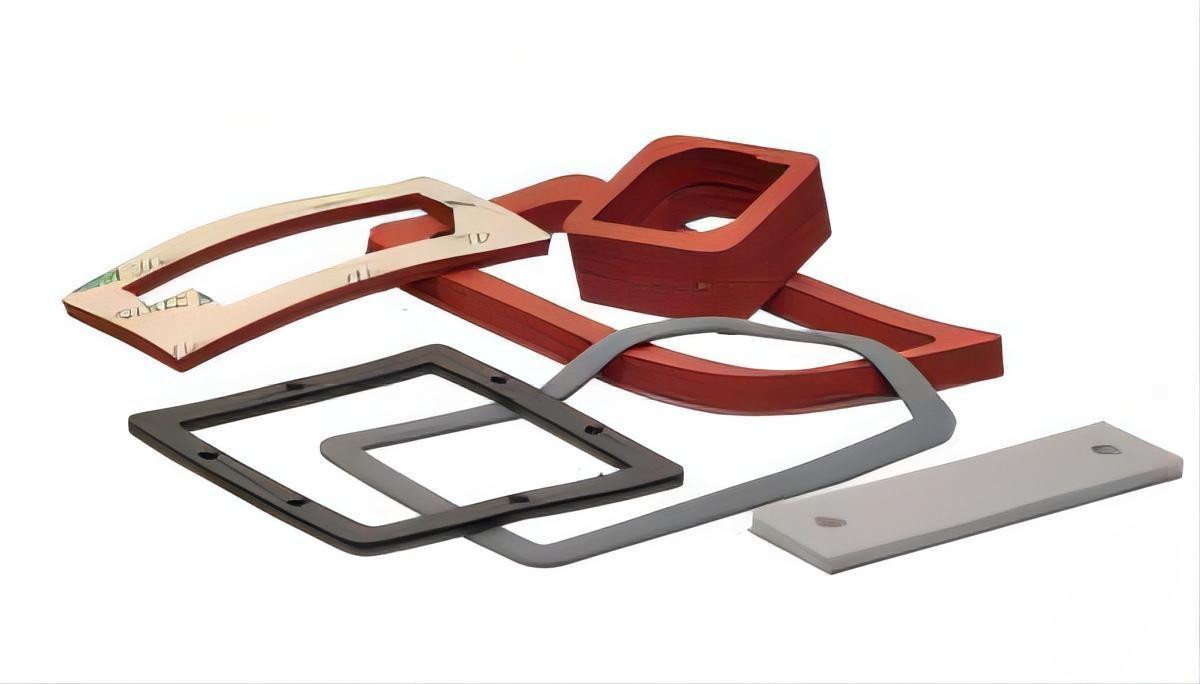
独立気泡シリコーンスポンジの利点
- 広い使用温度 — シリコンスポンジの温度範囲は-100°F~500°Fです。 (-73℃~260℃).
- 耐候性シーリング — クローズドセル構造により、比較的穏やかな圧縮圧力で効果的な耐候性シールを実現します。. UL 50 および UL 50E 定格が利用可能です.
- 耐圧縮永久歪性 - シリコーンは優れた耐圧縮永久歪性を持っています (元の厚さに戻る能力), 特に高温では, ほとんどのゴム素材と比較して. 汎用グレードよりもさらに優れた性能を発揮する低圧縮永久歪みシリコンスポンジを用意.
- UVおよびオゾン抵抗 - シリコーン材料は、その無機主鎖のおかげで、優れた耐紫外線性と耐オゾン性を備えています。. これにより、長期にわたるパフォーマンスが得られます.
- 厳しい — シリコーンが必要な場合, シリコーンスポンジコンポーネントは、シリコーンフォーム製品とは対照的に優れた堅牢性を備えています.
- 屋外用ガスケット - 上記の特性をすべて考慮すると、, シリコンスポンジは屋外条件に最適な素材オプションです, 北極から砂漠まで.
独立気泡シリコーンスポンジの利点
シリコンフォームは、オープンセルとクローズセルフォーム構造の両方で利用できます
オープンセルフォーム構造 水の優れた吸収を可能にします, 水分, そしてほこり - 自動車の洗浄に使用される従来のスポンジでそれを完璧にする.
- 閉じた細胞フォーム構造 水の吸収に対応しません, 水分, またはほこり - 水とほこりを排除する必要がある密閉アプリケーションに優れています. この種は本質的に疎水性です (水を撃退します) (水を撃退します).
シリコンスポンジvs. シリコーンフォーム
シリコンスポンジとシリコンフォームの両方が、温度の上昇時に優れたシーリング品質を持っています, 材料には小さな分散があります. シリコンスポンジは複合され、2ロールミルで結合され、オーブンで硬化します. シリコンフォームは、液体シリコンから製造されています。. どちらも携帯電話です.
| 特性 | スポンジ | フォーム |
| 原材料 | ガムベースのシリコン, オーブンで混合され、硬化しました | 液体シリコンは押し出され、オーブンで硬化します |
| 最小マックスは温度を使用します | -73oc +260oc -100oF + 500oF | -51oc +200oc -67oF + 392oF |
| 可燃性 | UL 94 HBF (水平バーンフォーミュラはV22-300を利用できます) | UL 94 v-0 垂直火傷 - スポンジよりも優れた炎の評価 |
| 圧縮セット | 良い (より低い圧縮セット式が利用可能ですv22-210) | スポンジよりも優れた圧縮セット |
| 抗張力 | 高い引張強度; より高い材料重量 | スポンジよりも低い引張強度; より低い材料の重量. 手で引き裂くのは簡単です. |
| 密度 | ソフトシリコンスポンジ = 21-30 PCF (ポンド/立方フィート) 典型的な 中型シリコンスポンジ = 29-33 典型的なPCF しっかりとしたシリコンスポンジ = 40 典型的なPCF | ソフトシリコンフォーム = 12 典型的なPCF(ポンド/立方フィート) 中程度のシリコンフォーム = 22 典型的なPCF |
| 圧縮たわみ | ソフトシリコンスポンジ = 5-9 典型的なPSI 中型シリコンスポンジ = 6-14 典型的なPSI しっかりとしたシリコンスポンジ = 12-20 典型的なPSI | ソフトシリコンフォーム = 3 典型的なPSI 中程度のシリコンフォーム = 9 典型的なPSI |
| 注記: 提供される情報は参考用であり、特定の機能があるかどうかはユーザーが判断する必要があります。 | ||
シリコンスポンジは密度が高くなる傾向にあります, 引き裂き強度が強い, 使用温度が高くなります (シリコーンフォームの 392F と比較して最大 500F) (シリコーンフォームの場合は 392F と比較して、最大 500F) 基本的に、シリコーンスポンジはシリコーンフォームよりも優れた物理的および機械的品質を備えています。.
シリコーンフォームは柔らかい傾向があります, 密度が低い, 圧縮永久歪み特性が低い. 空気を多く含むので, 優れた断熱性を提供します. シリコンフォームはまた、航空アプリケーションで重要な難燃性品質を高めます. どちらの物質も多くの水を吸収しません, したがって、シリコン "スポンジ" 多くの場合、混乱した記述子です.